Confused between havn’t or haven’t? You’re not alone. Many people struggle with this common English contraction.
Understanding the correct form is essential for writing emails, texts, social media posts, and formal writing.
This article will break down everything you need to know: the meaning of havn’t or haven’t, grammar rules, common mistakes, British vs American usage, and helpful examples. By the end, you’ll confidently know whether to write havn’t or haven’t, when to use I haven’t, and how to avoid frequent errors.
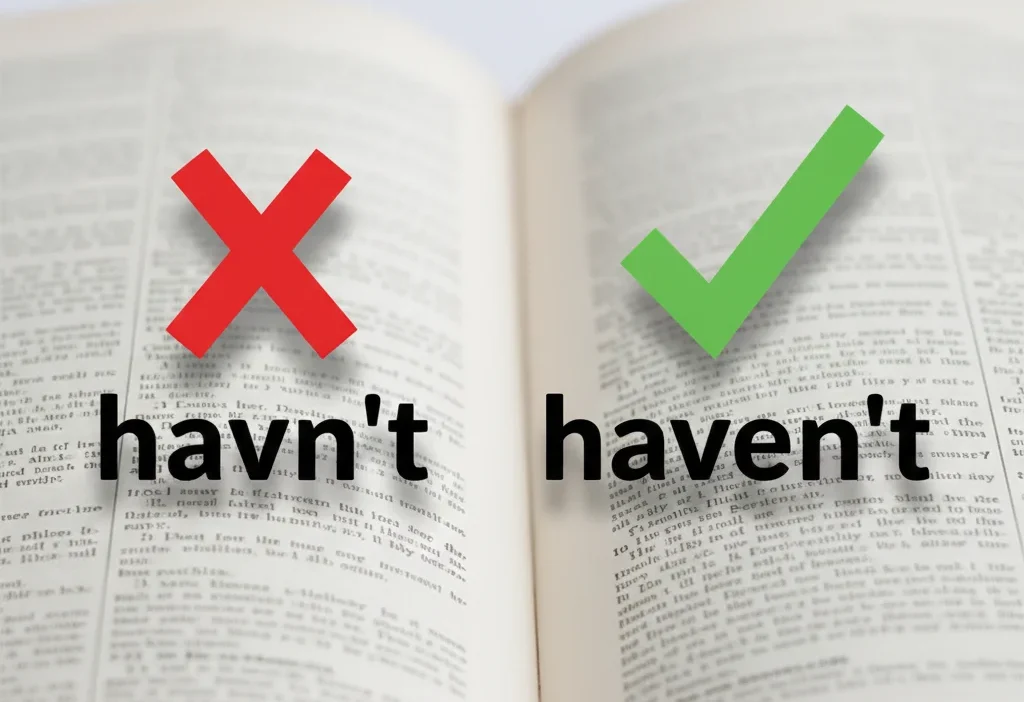
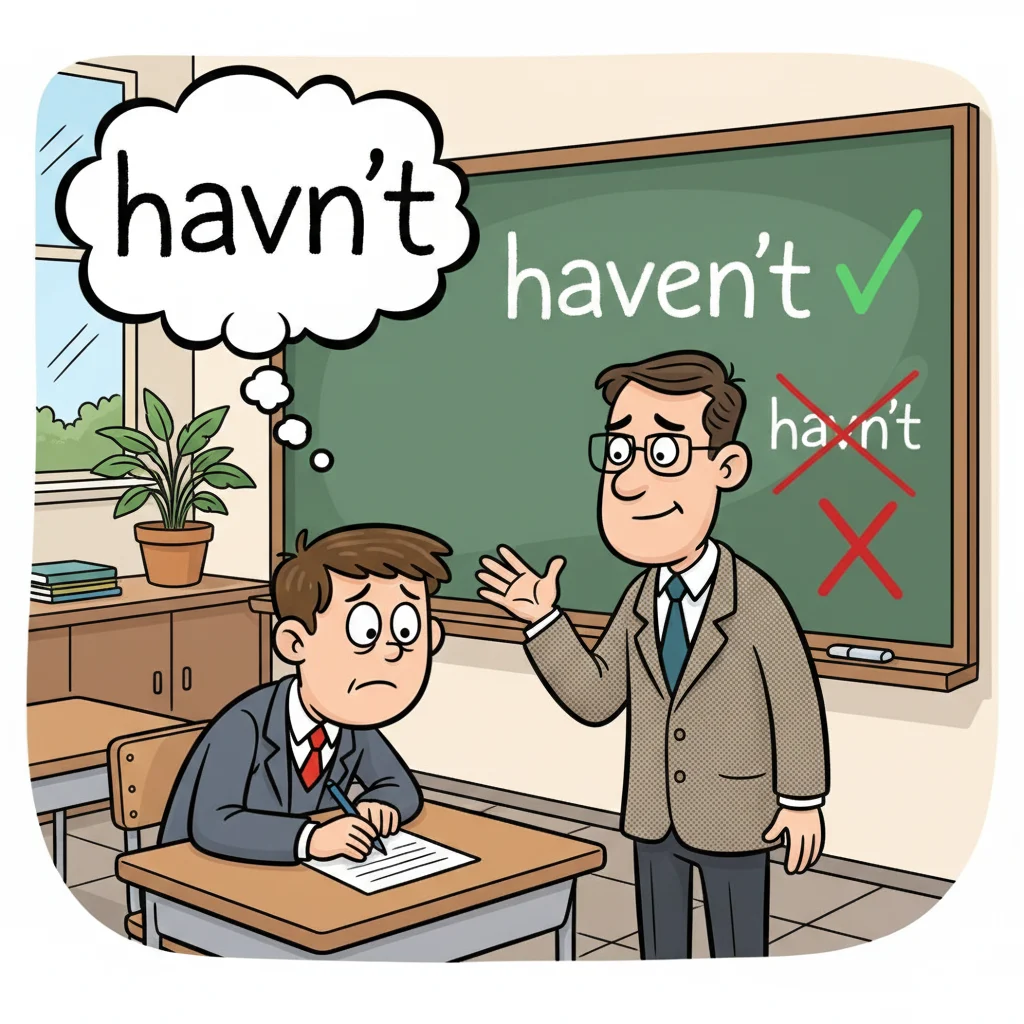
✅ The correct form is haven’t.
Havn’t is incorrect and considered a spelling mistake.
Examples:
- Correct: I haven’t finished my homework yet.
- Incorrect: I havn’t finished my homework yet.
Usage Notes:
- I haven’t meaning: “I have not.”
- Works with all subjects except third person singular, which uses hasn’t.
- Example: She hasn’t been to the new cafe yet. → Hasn’t or haven’t been.
The Origin of Havn’t or Haven’t
The contraction haven’t comes from combining have + not. English contractions have existed since the 16th century, but “havn’t” never became standard. English naturally drops letters to make speech faster, but some combinations (like havn’t) are simply wrong.
Fun fact: The apostrophe in haven’t replaces the missing “o” in “not.”
British English vs American English Spelling
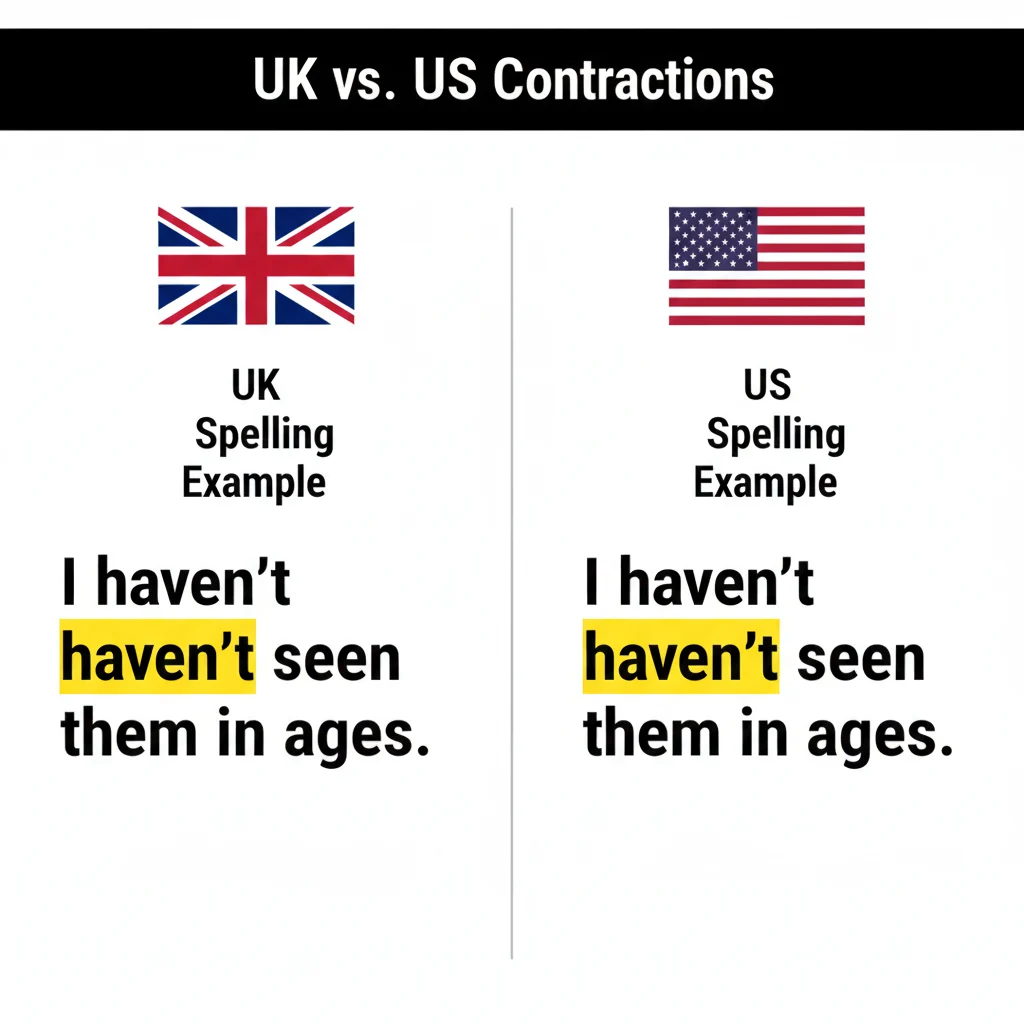
Both British English and American English use haven’t. There is no difference. Havn’t is never correct in either version.
| Example Sentence | British English | American English |
|---|---|---|
| I have not eaten. | I haven’t eaten. | I haven’t eaten. |
| She has not seen it. | She hasn’t seen it. | She hasn’t seen it. |
Key takeaway: Forget havn’t. Use haven’t for all English writing.
Which Spelling Should You Use?
- US audience: Always write haven’t.
- UK/Commonwealth audience: Use haven’t.
- Global writing: Haven’t is universally understood and correct.
Tip: If you write for professional audiences, never use havn’t.
Common Mistakes with Havn’t or Haven’t
- Writing havn’t → ❌ Incorrect. Always use haven’t.
- Mixing hasn’t or haven’t incorrectly:
- Incorrect: I hasn’t seen that movie.
- Correct: I haven’t seen that movie.
- Using haven’t in the wrong tense:
- Incorrect: I haven’t went to the park.
- Correct: I haven’t gone to the park.
Grammar Exercises Tip: Use Hasn’t and haven’t grammar exercises to practice.
Havn’t or Haven’t in Everyday Examples
Emails: I haven’t received your reply yet.
News: Thousands haven’t registered for the event.
Social Media: I haven’t tried this recipe yet! #foodie
Formal writing: Those who haven’t completed the form must submit it by Friday.
Havn’t or Haven’t – Google Trends & Usage Data
- Most searched term: “Is Havn’t correct?”
- Common questions:
- Is it correct to say “I haven’t”?
- When to use haven’t or hasn’t?
- What doesn’t “I haven’t a car” mean? → It’s less common; British English sometimes uses I haven’t a car, but American English prefers I don’t have a car.
Havn’t or Haven’t Comparison Table
| Feature | Havn’t | Haven’t |
|---|---|---|
| Correct? | ❌ No | ✅ Yes |
| Meaning | Attempted contraction of have not | Correct contraction of have not |
| Usage | None | Emails, texts, formal writing, social media |
| Grammar tip | Avoid it | Use with first/second person or plural third person |
FAQs
- Is Havn’t correct?
❌ No, it is always incorrect. - What doesn’t “I haven’t” mean?
✅ It means “I have not” done something. - Is it correct to say “I haven’t a car”?
✅ Rare, mostly British English. In American English, say I don’t have a car. - When to use haven’t or hasn’t?
- Haven’t → I, you, we, they
- Hasn’t → he, she, it
- Havn’t or haven’t examples?
- Correct: I haven’t finished reading the book.
- Incorrect: I havn’t finished reading the book.
- Havn’t or haven’t grammar?
✅ Haven’t is used in present perfect tense. - Hasn’t or haven’t been usage?
- She hasn’t been to France.
- We haven’t been late.
Conclusion
In short, always write haven’t, never havn’t. Use it with the present perfect tense to describe actions not yet completed. Remember the difference with hasn’t for third person singular.
if you are writing emails, social media posts, or formal articles, correct usage improves clarity and professionalism. Practicing with Hasn’t and haven’t grammar exercises will help you internalize the rules. By following this guide, you’ll avoid confusion, sound confident in English, and never make the simple mistake of writing havn’t again.

“Bernardine Evaristo spins tales with flair, punning through pages and tickling brains—making every read a laugh-out-loud adventure!”